
Ethiopia Scales Up Subsidized Health Coverage in Bid to Shield Working Class from Medical Shocks
By slashing premiums for small taxpayers and formalizing traditional community safety nets, the capital’s expanding insurance scheme is building a macroeconomic shield for millions of low-income families.
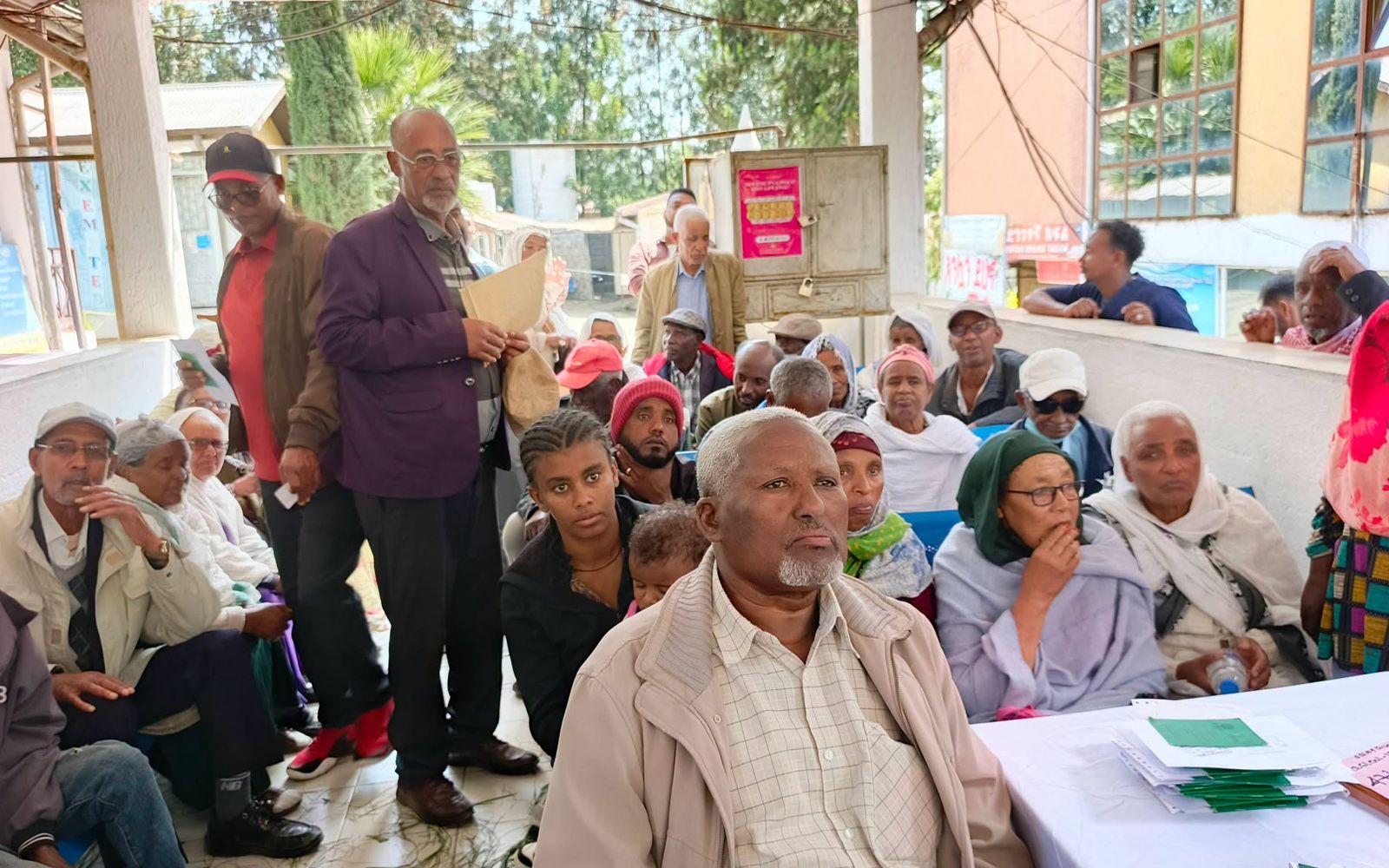
Addis Ababa has officially launched its new membership registration drive for the Community-Based Health Insurance (CBHI) scheme, introducing a major pricing overhaul designed to bring the city's poorest residents into the formal healthcare system. In a decisive move to boost enrollment, the Addis Ababa Health Bureau recently slashed the annual insurance premium for Grade 'B' taxpayers—a category that now includes smaller, former Grade 'C' informal traders—from 6,900 Birr down to just 2,000 Birr. The aggressive price reduction removes the biggest financial barrier to entry for the capital's low-income earners and small business owners.
At its core, the massive expansion of the CBHI program is about fighting the "medical poverty trap." For decades, a sudden illness or injury has acted as a devastating economic shock for working-class Ethiopian families, forcing them to sell off productive assets, empty their savings, or pull children out of school just to pay out-of-pocket hospital bills. By pooling resources and offering affordable, flat-rate access to clinics and hospitals, the government is trying to build a structural financial defense that keeps families economically active even when sickness strikes.
What makes the Ethiopian model unique is how it leverages familiar cultural habits to build trust. The CBHI system essentially scales up the concept of the Idir—the traditional, community-led micro-financing and burial societies that have existed in Ethiopia for generations. By requiring households to register together and pooling their small annual premiums into a shared community fund, the state has successfully translated a trusted, village-level safety net into modern, subsidized health infrastructure.
The numbers show that this localized strategy is working on a massive scale. While it initially piloted in just ten districts covering fewer than 70,000 residents, the CBHI framework has now scaled to cover every single district in the capital. Nationally, the figures are even more striking: as of mid-2026, the Ethiopian Health Insurance Service reports that over 55 million citizens are now benefiting from the scheme. Crucially, the government heavily subsidizes the most vulnerable, providing completely free medical coverage for more than 7.5 million citizens who fall below the poverty line.
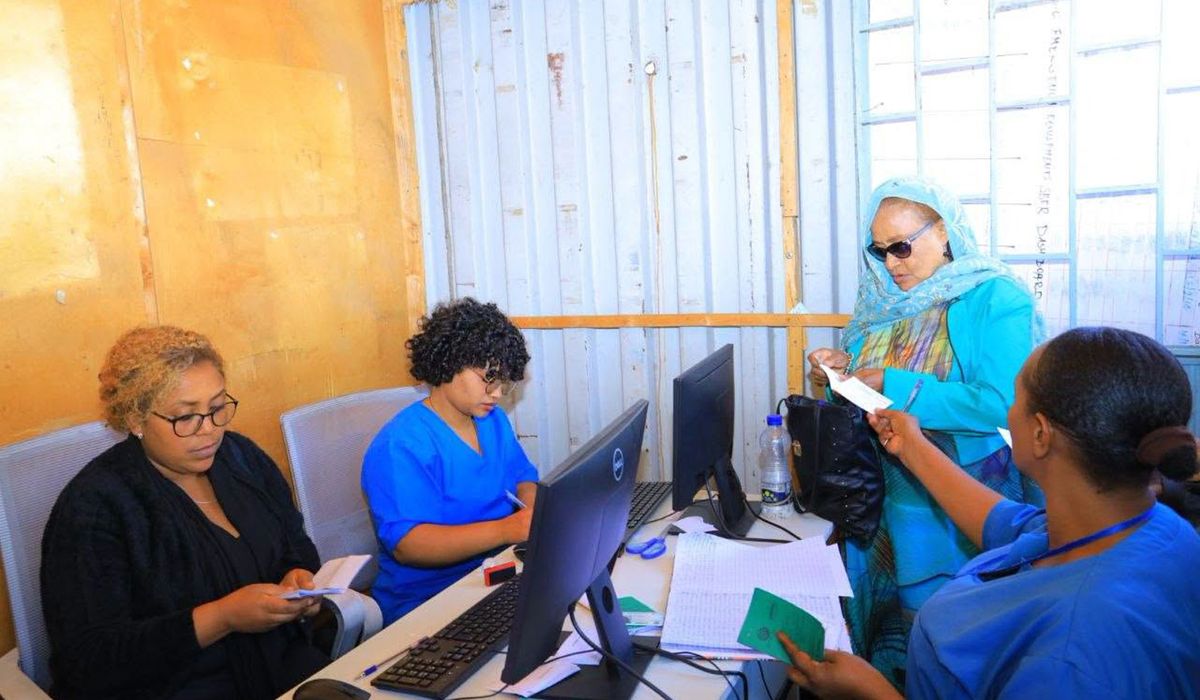
As registration centers open across Addis Ababa's neighborhoods this month, the goal goes far beyond simply treating illness. By capturing the informal economy inside a structured health insurance pool, policymakers are taking the most vital step toward achieving Universal Health Coverage—ensuring that a trip to the doctor no longer means the end of a family's financial future.