
Ethiopia's Avocado Harvest Starts in July. Peru's Runs Out in September. That Two-Month Window Is What the Country Is Building Its Export Strategy Around.
Ethiopia is Africa’s second largest avocado producer and exports at 15 to 25 percent below Kenya’s price. The Ministry of Agriculture has a plan to close that discount.
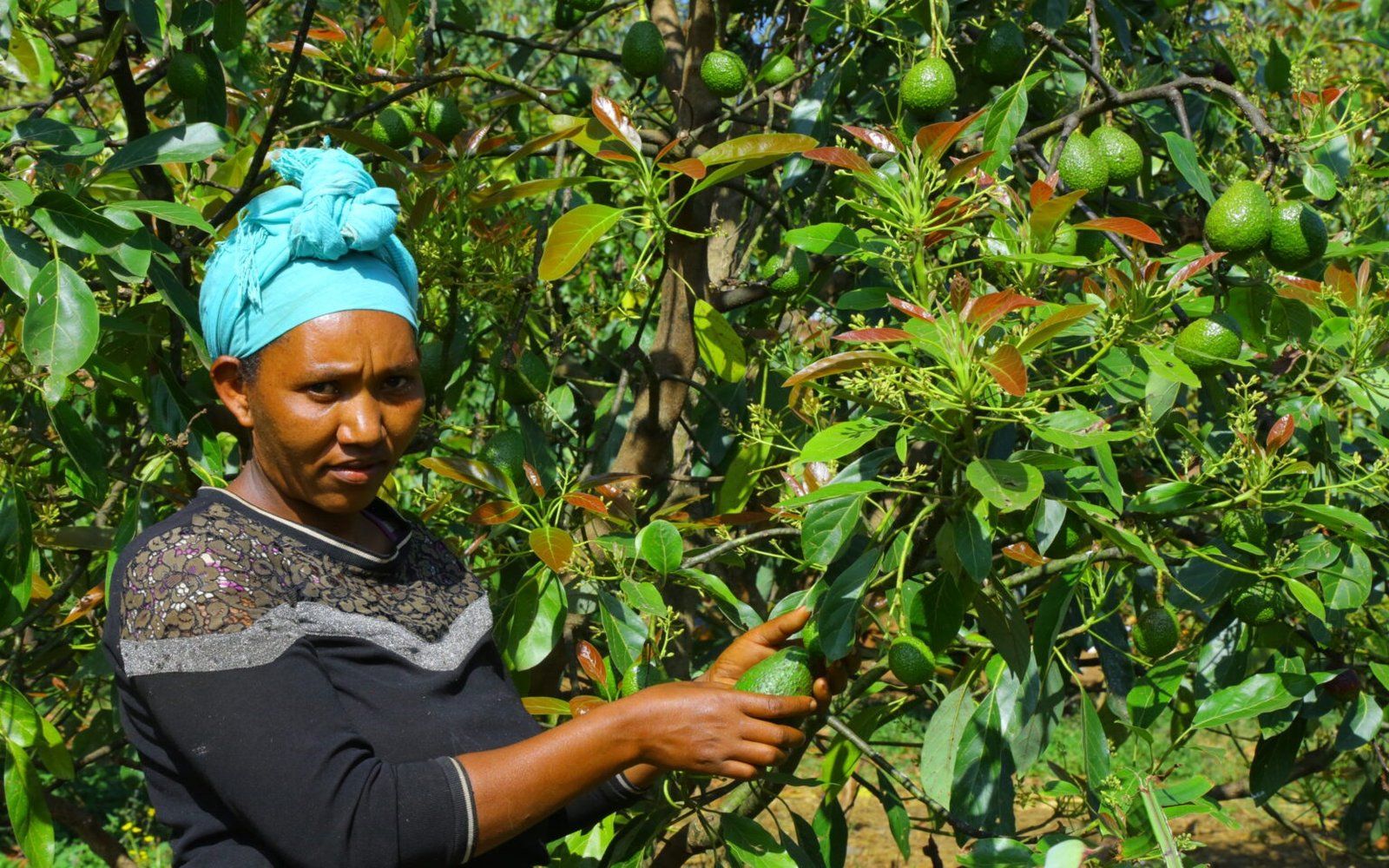
Peru is the world’s largest avocado exporter. When Peruvian supply runs out in September, European supermarket buyers start looking elsewhere. Ethiopia’s harvest runs from July through September, which means Ethiopian avocados hit export readiness at the exact moment the biggest supplier in the world goes quiet. Ethiopia’s fresh avocado export transactions grew 36.3 percent year-on-year in 2024–25, one of the fastest growth rates among avocado-exporting countries globally, and the country is Africa’s second largest producer with 164,000 tonnes annually.
Kenya dominates East African avocado exports and commands prices that Ethiopia does not yet match. Ethiopian avocados sell at 15 to 25 percent below Kenyan prices at the FOB level, a discount that reflects Kenya’s established export infrastructure, phytosanitary certification systems, and GlobalG.A.P. adoption rather than any difference in fruit quality. The global avocado export price averaged $2,231 per tonne in 2024, up 25 percent on the year before. A 20 percent discount on that figure, applied to Ethiopia’s export volume, represents tens of millions of dollars in annual revenue the country is leaving behind every harvest season. The certification that would close the discount costs money and takes time. The Ministry of Agriculture’s avocado strategy is organised around both.
Before the Yirgalem Integrated Agro-Industrial Park began working with avocado farmers in Sidama, the standard transaction was a broker arriving at the farm gate, offering 60 to 70 Birr per sack, and the farmer accepting because there was no alternative buyer and no way to store the fruit. A farmer working through the IAIP cooperative now delivers around 229 kilograms per week to a collection centre linked directly to a processing company, at prices between 18 and 40 Birr per kilogram, generating annual income of over 310,000 Birr. That is the difference between subsistence avocado farming and commercial avocado farming. The IAIP model — connecting farmers, processors, logistics, and export markets within a coordinated system — is being expanded across Oromia and Sidama. It still covers a fraction of Ethiopia’s 100,000 hectares under avocado cultivation.
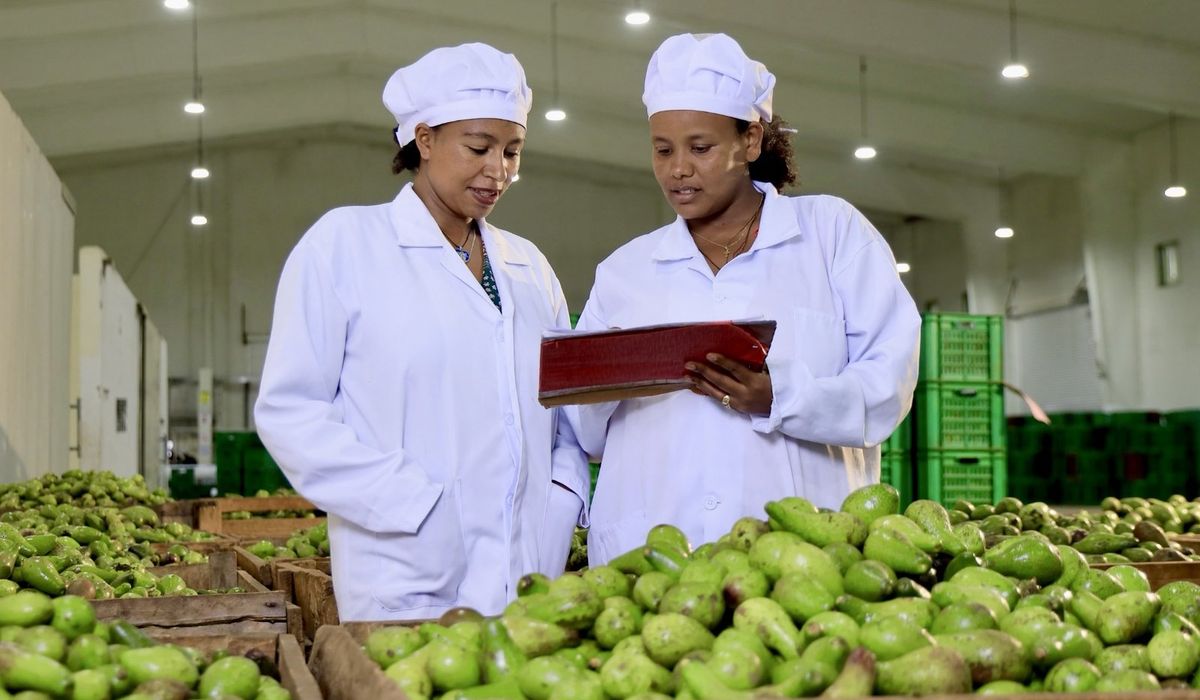
The single biggest infrastructure constraint on Ethiopian avocado exports is the cold chain. Post-harvest losses currently run as high as 40 percent — four out of every ten avocados that leave the farm never reach an export market. Most exports still move by airfreight, which is fast but expensive, limiting the economics to high-value small consignments rather than the volume sea freight that would make Ethiopia competitive with Peru and Chile at scale. The Cool Port Addis project, a dedicated cold storage and logistics facility under construction at the Modjo Dry Port with an estimated investment of $50 million, connects directly to the Addis-Djibouti Railway and is designed to enable competitive sea freight of perishables to Europe and the Middle East. On December 1, 2025, the Ethiopian Agriculture Authority and the Ethiopian Horticulture Producers and Exporters Association launched the country’s structural shift from air to sea freight for avocados, publishing an Avocado Export Guide to standardise maritime procedures across domestic exporters. When Cool Port Addis opens, sea freight becomes viable at volume. Until then, most exports continue paying the airfreight premium.
The price difference between a conventional Ethiopian avocado and an organic, GlobalG.A.P.-certified one at the EU importer level is around 50 percent. European and UK premium retail buyers pay $12 to $14 per 4-kilogram carton for certified East African avocados. The Middle East pays competitive commercial rates with fewer certification barriers. Ethiopia’s growing conditions — high altitude, low chemical input requirements, diverse microclimates across Oromia, Sidama, and the southwest — suit organic certification more naturally than most producing countries. The cost of obtaining that certification, and the audit and documentation infrastructure required to maintain it, is what has kept most Ethiopian exporters in the lower-value conventional segment. Women-led agribusinesses account for 35 percent of Ethiopia’s sustainable farming initiatives and are among the most active in pursuing certification, often through cooperative structures that spread the audit cost across multiple farms.
Ethiopia’s National Avocado Development Programme targets an increase in annual yield from 400,000 tonnes to 3.8 million tonnes over 15 years, and an expansion of cultivation from 100,000 to 191,000 hectares. That trajectory would require a 38.5 billion Birr investment across the value chain, covering seedlings, irrigation, processing capacity, cold storage, and certification. Thirteen new projects are expected to boost raw avocado supply to 25,000 tonnes in 2025/26. The Yirgalem park is expanding pharmaceutical-grade avocado oil processing — a higher-margin product than fresh fruit, less dependent on cold chain, and with a growing buyer base in European cosmetics and pharmaceutical supply chains. The global avocado oil market is valued at over $700 million and growing. Ethiopia produced almost none of it commercially five years ago.
The harvest that starts this month will be shipped partly by air, partly at a discount to Kenya, with some of it lost in transit. The harvest of 2030, if Ethiopia solves key bottlenecks will look different.