
Addis Ababa to Host Nordic-Africa EV Summit in September as Norway and Ethiopia Compare Notes on Electric Vehicles.
Norway got to 98 percent electric new car sales in 30 years through incentives.

98 percent of new cars sold in Norway last month were electric, in a country of 5.5 million people with one million EVs on the road. Ethiopia, with 130 million people and a fuel import bill that cost the government 72 billion Birr in subsidies this year, took a shorter route: it became the first country in the world to ban the import of petrol and diesel vehicles entirely. On September 14, transport officials, fleet operators, utility engineers, and investors from both countries meet at the Addis Ababa Science Museum for three days. The summit is backed by the Norwegian, Swedish, Danish, and Finnish embassies, the African Union, GIZ, and the Ethiopian Electric Utility.
Ethiopia has around 100 public charging stations, almost all in Addis Ababa. The government targets 2,300 by 2030, to support a projected fleet of 500,000 EVs. Most vehicles on Ethiopian roads today are Chinese — BYD, BAIC — because Chinese manufacturers moved into African markets first and on price. Robel Teka, who is working with the Addis Ababa City Administration on 25 smart charging stations and electric midi bus imports, said Ethiopian buyers associate electric mobility almost exclusively with Chinese technology because they have had little exposure to alternatives. The September summit is partly an introduction to a second option.
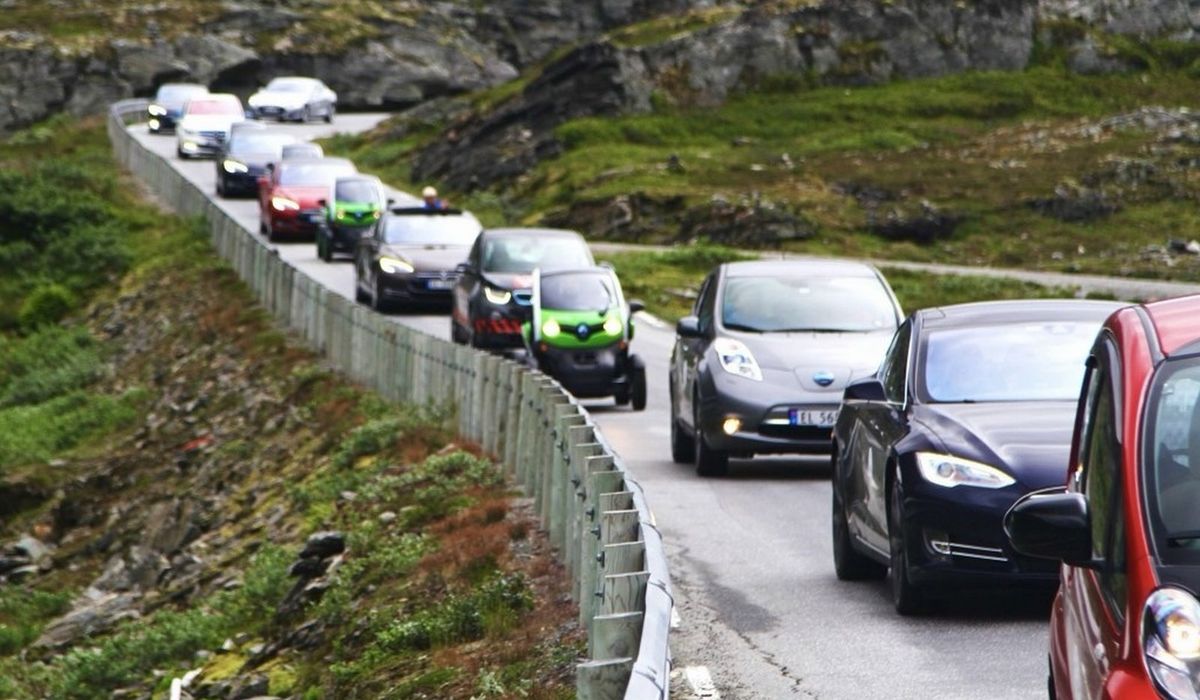
Norway's path to near-total electrification ran through 30 years of policy: purchase tax exemptions on EVs, lower tolls and ferry fares, free parking in cities, and progressively higher taxes on petrol cars until the financial case for going electric became obvious to most buyers. The tipping point came around 2020, when EV prices fell close enough to combustion cars that the incentive package made the choice easy. Ethiopia cannot replicate that timeline or that subsidy structure under current IMF fiscal constraints. The petrol import ban achieves the demand shift in a single step. The infrastructure to support it is the part that still needs building.
The summit's agenda covers grid integration, storage-backed charging, fleet electrification, and trade corridors. Ethiopia generates over 90 percent of its electricity from hydropower and the grid reaches about 45 percent of the population. Adding 500,000 EVs to that grid by 2030 requires planning that the Ethiopian Electric Utility, acting as a lead organiser, is using the summit to advance. COP32 — the UN climate conference — is scheduled for Addis Ababa in 2027, which gives September a specific function: Ethiopia is building the partnerships and infrastructure it wants to show the world when it hosts the climate talks. The summit is one of those preparation platforms.