
Addis Ababa Is Turning 47 Kilometres of Polluted River Into a Business District. Here Is the Economic Bet Behind It.
The Entoto-Kebena project spans 87.6 hectares, 10.5km and 50,330 trees. As Seoul and Singapore proved, restoring rivers grows property values and tax revenue - not just the environment.
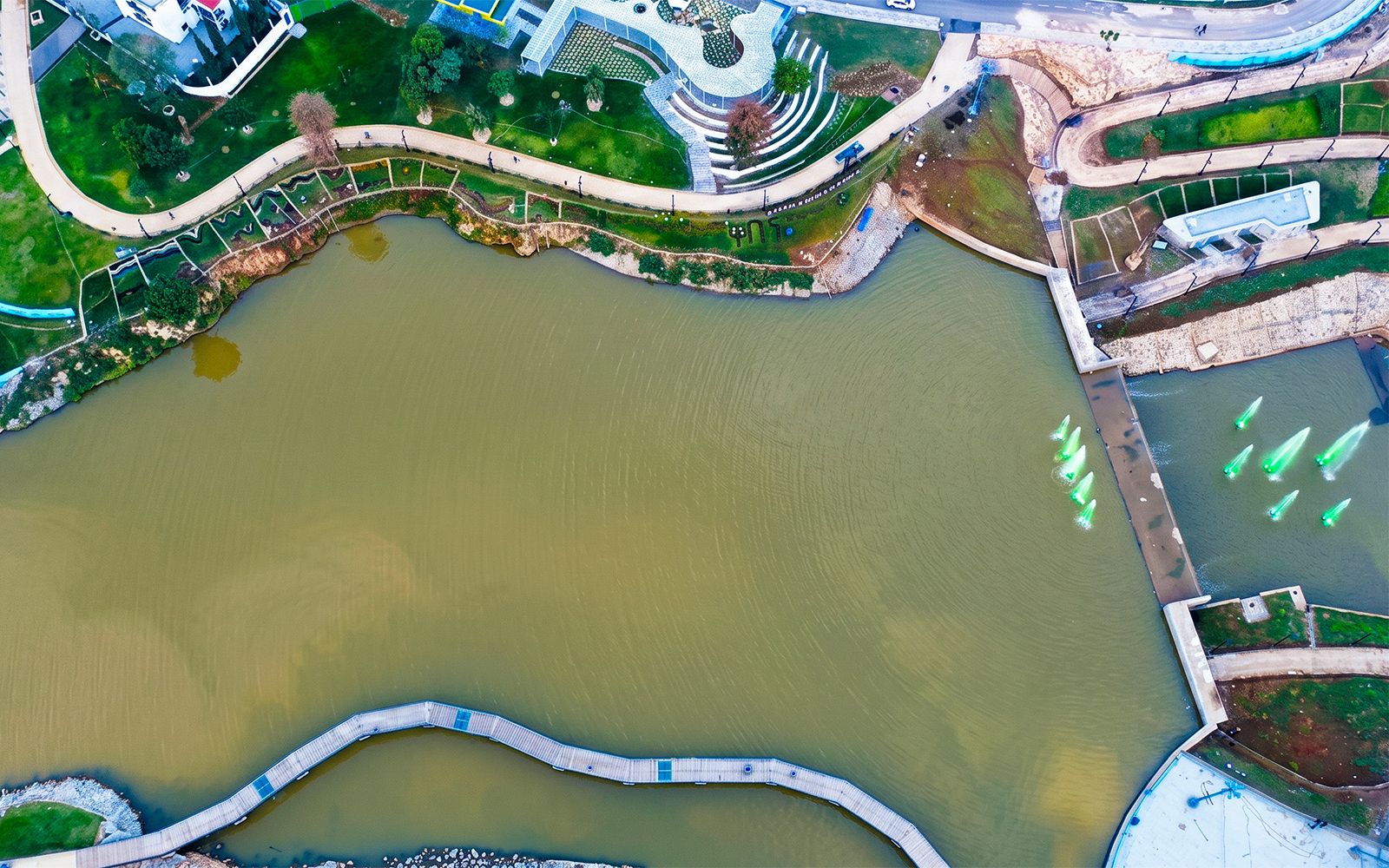
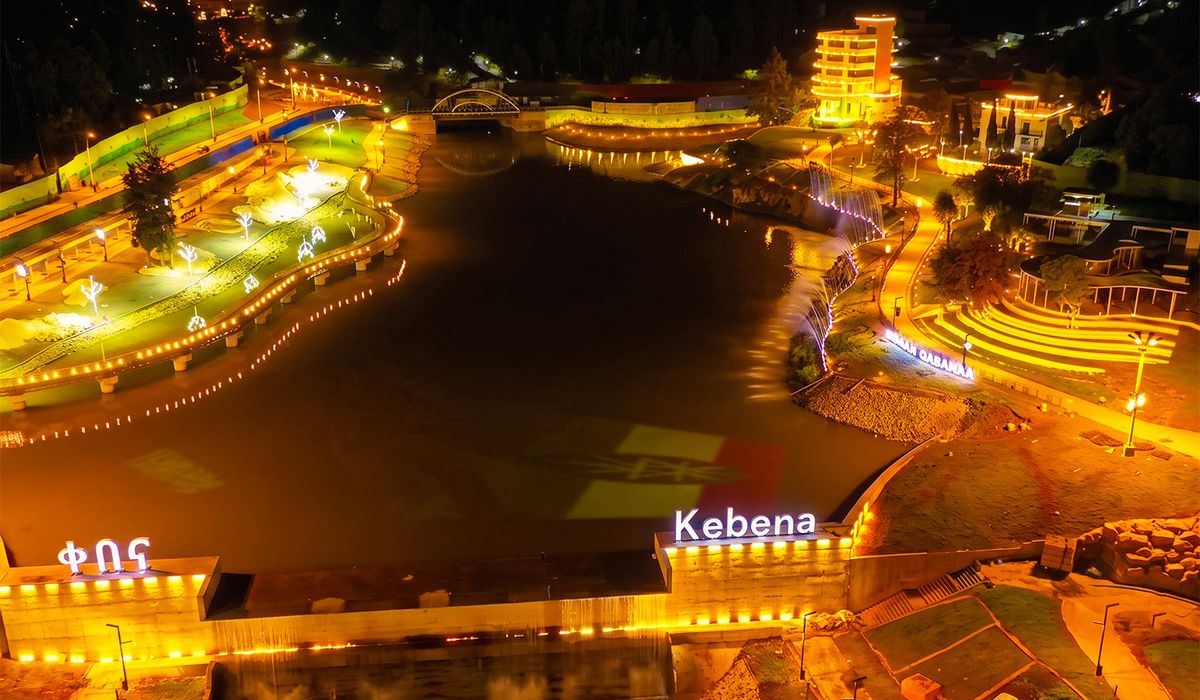
The Kebena River running through Addis Ababa was a place people avoided. Wastewater discharge from surrounding settlements, waste dumping, and decades of neglect had turned one of the city’s 76 rivers into an open drain. Mayor Adanech Abiebie said in January 2026 that Addis Ababa’s rivers had become “sources of pollution, havens for criminal activity, and contributors to various environmental and social challenges”. On June 25, Prime Minister Abiy Ahmed inaugurated the latest section of the city’s answer to that: 87.6 hectares of rehabilitated riverside land, 10.5 kilometres of developed corridor, one large dam, 16 smaller ones, 21 pedestrian bridges, 50,330 planted trees, and a row of shops and cafes where the river bank used to be. The environmental story is visible. The economic story behind it is the one worth reading.
The Entoto-Kebena section is one piece of a programme that is significantly larger. Eight riverside development projects are currently under implementation across 48 kilometres and 3,000 hectares along the Entoto, Kebena and Kurtumi river systems. The programme builds on the Sheger Riverside initiative launched in 2019, which rehabilitated stretches of the Akaki River and established the model that every subsequent project has followed: clean the water, stabilise the banks, build public access infrastructure, and then add commercial space. The corridor development extends up to 50 metres beyond the riverbank in some sections, incorporating roads, cycling paths, pedestrian walkways, parking for vehicles, recreational zones, and commercial units available for lease. Italy signed a €5 million financing agreement in May 2026 to support restoration works along Kebena tributaries, adding international development finance to what has largely been a domestically funded effort.
Cities that have done this before have produced consistent results. Seoul’s Cheonggyecheon Stream restoration, completed in 2005 at a cost of $900 million, converted a covered highway over a degraded urban waterway into a 5.8-kilometre pedestrian corridor. Within ten years, property values in surrounding districts had risen by an average of 30 to 50 percent, and the area attracted 60,000 visitors a day in its peak period, generating an estimated $2.2 billion in annual tourism revenue. Singapore’s ABC Waters programme, which began in 2006, transformed 100 kilometres of concrete drainage channels into naturalised waterways and has since been credited with increasing property values along rehabilitated corridors by 10 to 25 percent. The pattern is consistent across income levels: a cleaned-up river in a dense city does not stay an amenity. It becomes a rent multiplier.
In Addis Ababa the real estate effect is already visible in the areas closest to completed sections. The African Development Bank’s own financial projections for the Sheger programme, prepared before construction began, identified riverside rehabilitation as having the potential to trigger a boost in economic activity, fuel demand in the real estate sector, attract tourism, and generate new tax revenue for the municipal government. Ethiopia secured over $13 billion in investment commitments at the Invest in Ethiopia 2026 Forum, with construction and urban development among the dominant sectors. The riverside corridor is part of the physical infrastructure that makes the investment pitch credible: a capital city with public green space, walkable districts, and commercial real estate connected to tourism assets is a different investment proposition from one without them.
The shops and cafes on the riverbank are the revenue mechanism. Seven parks are planned along the full 47-kilometre programme, alongside commercial service facilities, and the leases on those commercial spaces generate municipal income that partially offsets the construction cost. The vehicle parking capacity across seven lots is a further revenue stream. In the Cheonggyecheon model, the equivalent commercial concessions and parking facilities were generating enough annual revenue within five years of opening to cover a significant portion of ongoing maintenance costs. PM Abiy noted that the project has created jobs across construction, engineering, landscaping, and logistics, and that the majority of the work has been designed and delivered locally — a point that matters in an economy where public infrastructure spending is one of the primary mechanisms for keeping skilled labour employed and building contractor capacity.
The 1 large dam, 16 small dams, 3 check dams, and 20.2 kilometres of retaining walls are flood infrastructure. Addis Ababa has experienced repeated flash floods from its river systems, with the 2006 Kebena flood killing more than 250 people and displacing thousands from informal settlements on the riverbank. The economic cost of a single major flood event — in destroyed property, displacement, emergency response, and lost commercial activity — runs into hundreds of millions of Birr. The dam and retaining wall infrastructure built into the Entoto-Kebena project reduces that exposure. For an insurer or a property developer calculating long-term risk on riverfront real estate in Addis, the flood control infrastructure changes the risk calculus before the green space and the pedestrian bridges are even factored in.
The 87.6 hectares inaugurated on June 25 are part of a 3,000-hectare programme that is still mostly under construction. The full 48-kilometre corridor, when complete, will represent one of the largest urban river rehabilitation programmes on the African continent. What Seoul and Singapore demonstrated is that the return on that kind of investment does not come primarily from entrance fees and cafe leases. It comes from the uplift in property values and tax revenues across the surrounding districts, and from the city’s changed position in the competition for residents, tourists, and investors who have options about where they put their money. Addis Ababa has 76 rivers. It is rehabilitating eight of them. The economic question is not whether cleaned-up rivers are worth building. Every city that has done it knows the answer to that. The question is whether the commercial infrastructure on top of them gets managed well enough to recover the cost.