
Why Northern Ethiopia’s Wealth Fund Is Injecting 430 Million Birr ($2.7 million) Into Existing Factories
Amhara’s Abay Investment Holding is shifting focus from new builds to funding working capital for six existing factories and farms.
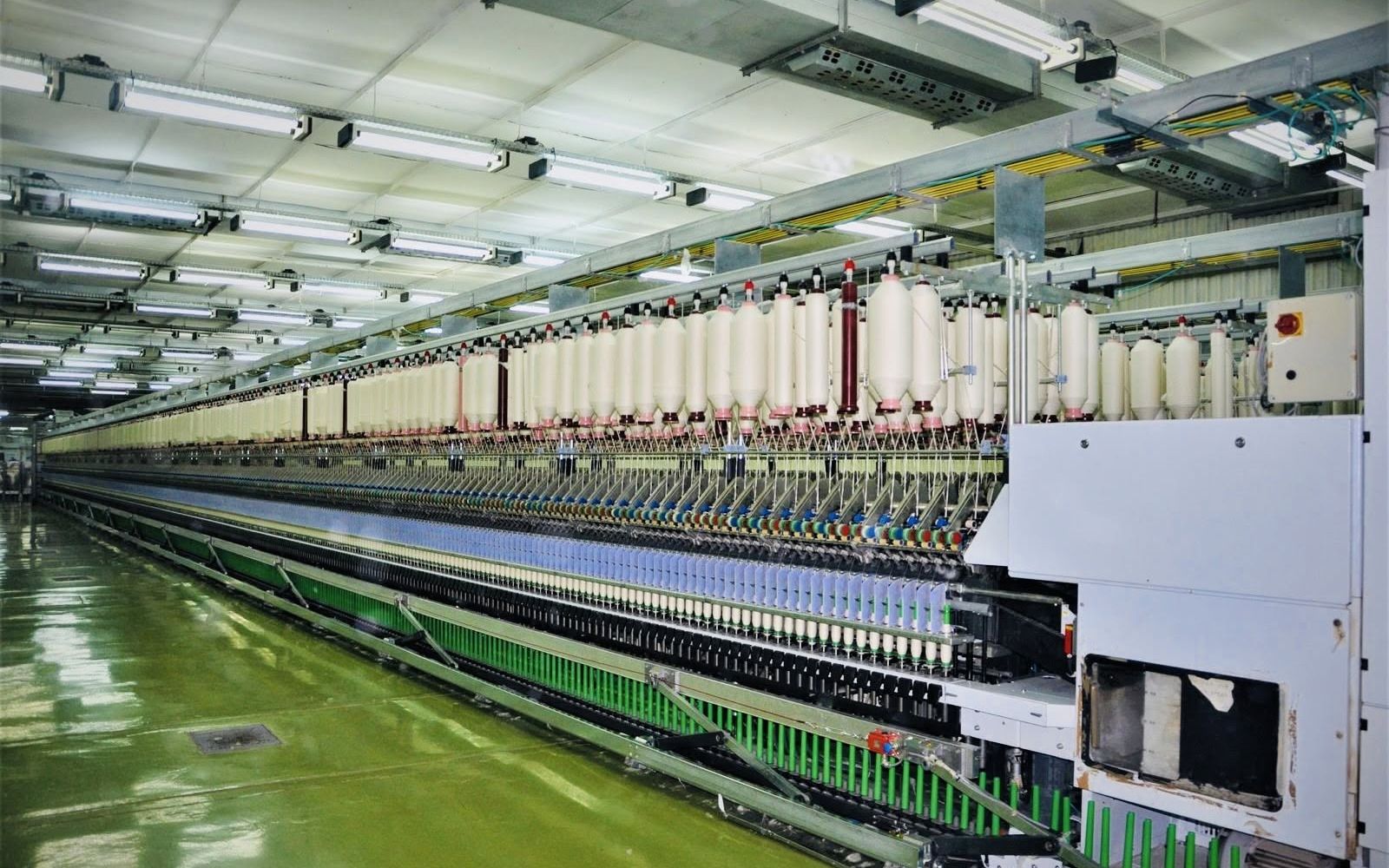
Across Africa, state-backed investment funds often fall into an expensive trap: they act as "perpetual beginners," cutting ribbons on brand-new factories while older plants down the road sit half-empty because they lack the cash to buy raw materials or machine spare parts. This week in northern Ethiopia, a newly restructured regional wealth fund decided to do the exact opposite. Following a sweeping overhaul of its executive leadership, Abay Investment Holding (AIH) announced that it has injected 430 million Birr in fresh working capital across six existing manufacturing and agricultural subsidiaries—coming just days after a separate 100 million Birr lifeline to the historic Bahir Dar Textile Share Company.
For international readers unfamiliar with the name, Abay Investment Holding—named after the Blue Nile River and headquartered in the lakeside city of Bahir Dar—is the sovereign wealth fund and commercial investment arm of Ethiopia’s Amhara Region, home to more than 23 million people. Created in 2025 under Proclamation No. 300/2025 to mirror Ethiopia’s federal sovereign wealth fund model, AIH consolidated more than two dozen fragmented regional state enterprises and legacy endowment businesses under a single corporate roof. Rather than relying on government tax handouts, the holding company manages factories, transport fleets, and farms on strict commercial rules, setting a net profit target of 5.5 billion Birr for the 2026/27 fiscal year and recycling those profits back into local production.
What makes this 430 million Birr package strategically important is how the money is linked together. Instead of scattering cash randomly, AIH targeted interlocking factories that feed one another across the region’s main industrial towns:
· Reconnecting the Farm-to-Fashion Chain (290 Million Birr): More than two-thirds of the funding goes toward fixing a single textile supply chain from the cotton field to the sewing floor. At the source in northwestern Ethiopia near the Sudanese border, Genda Wuha Cotton Ginning PLC received 160 million Birr to ease loan pressures, buy raw cotton directly from smallholder farmers, and ship cleaned cotton lint to sister mills. Downstream in the eastern industrial hub of Kombolcha, Kombolcha Textile S.C. received 100 million Birr for spare parts and inputs to keep its massive looms—built to produce 4.55 million kilograms of yarn and 16.18 million square meters of woven fabric annually—running at capacity. Right next door in Kombolcha, Telaje Garment PLC received 30 million Birr to buy local denim fabric, zippers, and machine parts so its workforce of largely female industrial tailors can turn out finished jeans and workwear without interruption.
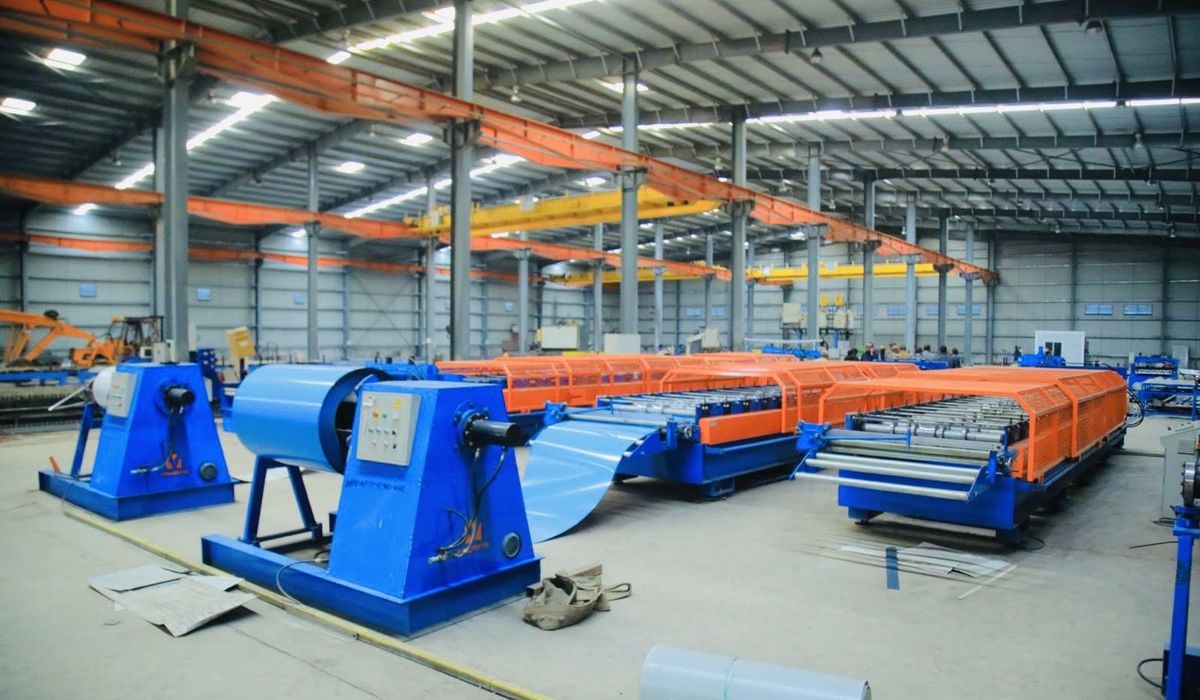
· Feeding Ethiopia’s Construction Boom (80 Million Birr): In the fast-growing industrial belt of Debre Birhan just north of Addis Ababa, Debrebirhan Pre-Engineered Solution S.C. secured 40 million Birr to buy flat-rolled steel plates and mechanical inputs for pre-engineered steel warehouses and factory frames. Meanwhile, the brand-new 6,500-square-meter YeGof Wood Products Factory in Kombolcha received 40 million Birr to purchase raw timber and supply finished doors, flooring, and furniture to domestic builders.
· Protecting Foreign-Currency Flower Exports (60 Million Birr): On the shores of Lake Tana in Bahir Dar, commercial rose exporter Tana Flora PLC—which sits on a 124-hectare estate—received 60 million Birr. After regional transport and security disruptions previously forced the farm to cut its active rose cultivation in half to 20 hectares, the company is now fighting back toward a target of 764.12 million Birr in revenue and 29.43 million flower stems. The fresh cash pays for fertilizers, export boxes, and critical cold-chain refrigeration parts so fresh-cut roses do not spoil on their way to cargo planes bound for Europe.
For Ethiopia’s broader $201.4 billion economy, what is happening inside Abay Investment Holding offers a practical lesson in industrial recovery. Over the past few years, factories across northern Ethiopia have been starved of commercial bank loans, foreign currency for spare parts, and steady raw material deliveries. By installing new professional managers first and then injecting 530 million Birr of targeted working capital across seven plants in a single month, the region’s wealth fund is proving that the fastest way to create jobs and earn export dollars is to fix the factories already standing on the ground.